
When budgets are under pressure, it's natural to look for savings. But are we sometimes cutting back on the very things that will help our businesses grow?
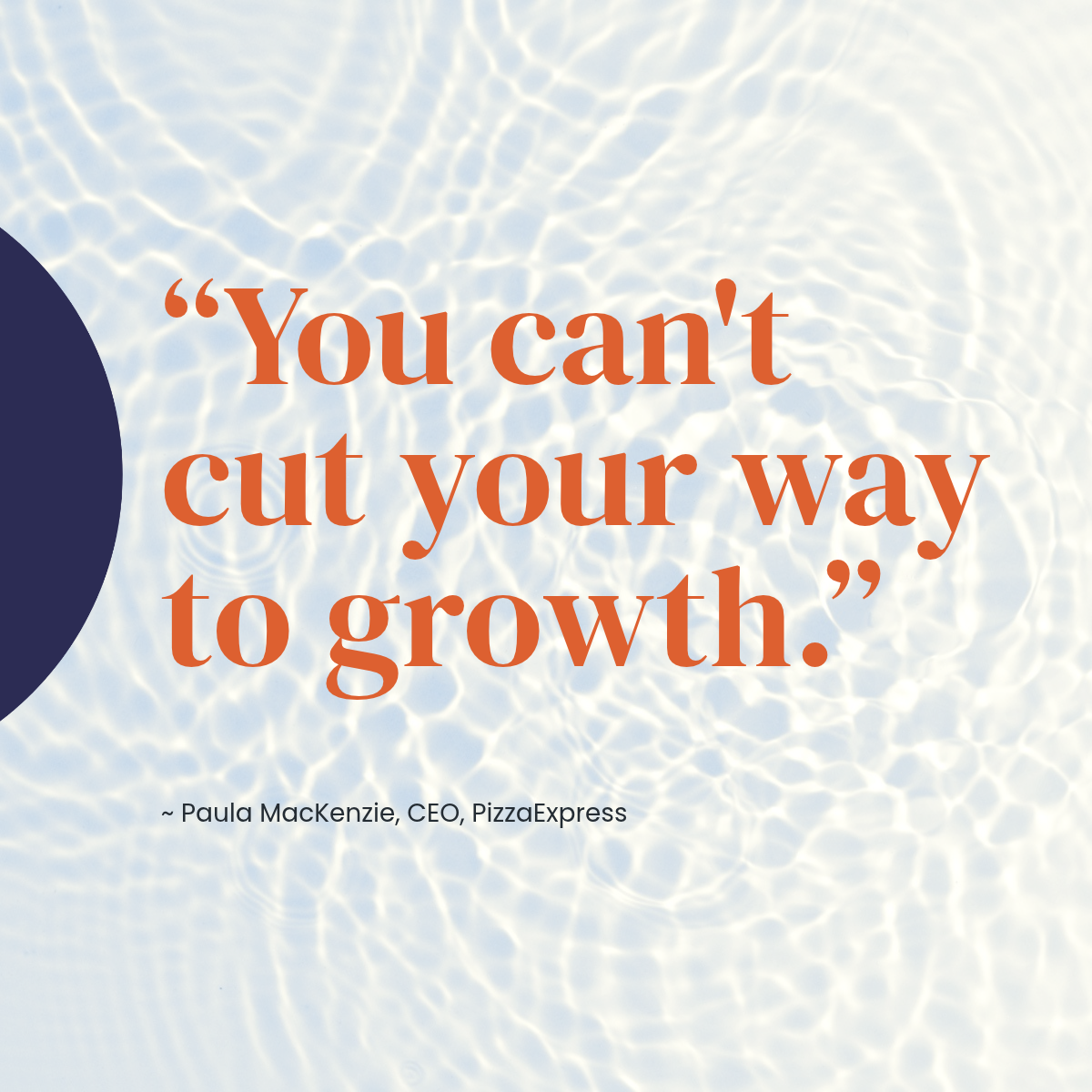
"You can't cut your way to growth”, was a comment from Paula MacKenzie, CEO of PizzaExpress, in a recent Marketing Week article.
It's a relevant and timely point, particularly with businesses reviewing budgets and planning for 2027.
As a business owner myself, I absolutely understand the need to manage costs, protect profitability and make sound financial decisions.
But there's a difference between cutting unnecessary expenditure and cutting what will help you grow. From my experience, marketing often gets caught somewhere in the middle.
When budgets get tight, marketing can be one of the first things to come under scrutiny.
Perhaps a campaign gets postponed, activity is reduced or plans are put on hold until things improve. And on the face of it, that might seem like a sensible saving.
But what happens to your pipeline when you stop showing up?
Your potential customers don't suddenly stop researching, comparing options or making decisions just because you've reduced your marketing activity.
And if you're not visible, there's every chance someone else will be. Building awareness, relationships and trust takes time. It's not something we can simply switch on and off and expect the same results.
Of course, every business has to work within its means. But it's worth considering the longer-term impact of decisions made to ease short-term pressures.
Now, we’re certainly not suggesting that businesses should keep spending money on marketing that isn't working. Quite the opposite.
If something isn't delivering value, we should absolutely question it.
Are we reaching the right people? Are we communicating the right message? Are we investing our time and money in activities that support our business goals?
Sometimes the answer will be to stop doing something.
Sometimes it will be to change our approach, focus our efforts or invest differently.
And occasionally, it might mean recognising that we need to invest more in the things that are working.
Better marketing isn't always more marketing. But it doesn't automatically mean less either. It's about making informed choices and being clear on what you're trying to achieve.
One of the things we talk about regularly at instinct is the importance of consistency.
Not because businesses need to post on social media every day or constantly launch new campaigns. But because marketing is about building relationships and creating opportunities over time.
A potential customer might see your LinkedIn content, hear about you through a recommendation, visit your website and then receive an email before they eventually get in touch. Each interaction helps build familiarity and confidence.
And while not every activity will generate an immediate enquiry, that doesn't necessarily mean it isn't adding value.
The challenge is understanding which activities are contributing to your goals and making sure you can sustain them.
As you review your budgets and plans for the year ahead, I'd encourage you to look beyond what marketing costs and consider what it's helping your business achieve.
What's working well? Where are the opportunities? What could you do differently? And where might a little more focus or investment make the biggest difference?
By all means, challenge your costs. Question your activity. Look for ways to be more efficient.
But don't lose sight of the things that will help move your business forward.
Because you can't cut your way to growth, but you can make smarter decisions about how you get there.
If you're reviewing your marketing plans and wondering where to focus your time, energy and budget, sometimes a fresh perspective can make all the difference.
At instinct, we help businesses connect their marketing activity with their wider ambitions, creating practical strategies that build momentum and support growth.
Let's talk about your 2027 marketing


