

I passed a milestone recently that to be honest felt a little unbelievable.
Seventeen years of being a business owner.
Seventeen years!
Seventeen years of early mornings, late-night proposals, clients who have become friends, friends who have become colleagues, collaborators and clients, plenty of juggling, two kids, 3 house moves, moments where I’ve felt defeated…and, of course, many more where I couldn’t imagine doing anything else.
Seventeen years of building something slowly, deliberately and with a lot of hard work (and probably more stubbornness than strictly necessary!).
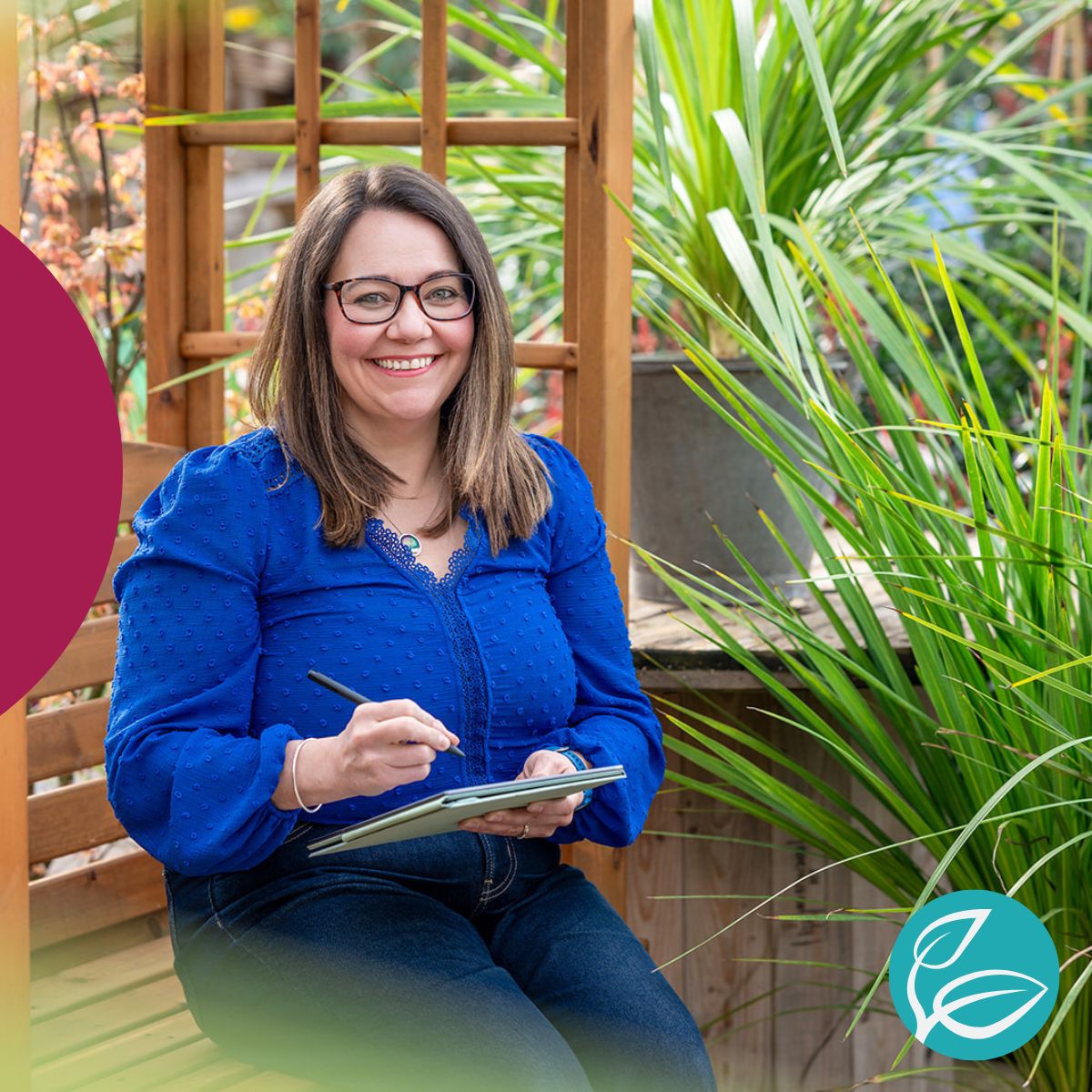
I’m not one for big announcements or self-congratulation, but I do think milestones are worth taking a moment to acknowledge. To reflect, learn and – of course – ask questions.
So, when someone asked me recently: what would you say now to someone starting a business?
There are probably hundreds of answers to that question, but two things immediately came to mind. And both would have saved me a fair amount of time, energy and probably money along the way.
So, here goes.
1. Ask for help (then, you know, actually accept it!)
I spent far too long believing that asking for help was a sign of weakness. I’m a bit ‘too’ independent that way!
If I was running my own business, surely I should be able to ‘do it all’?
I thought I needed to figure things out myself and have all the answers. That needing support somehow meant I wasn’t capable enough to be doing this in the first place.
Cue quite a few years of trying to prove I could do everything myself. Which, unsurprisingly, is exhausting.
Eventually, it dawned on me that some of the most successful people I’d met in business were also the people who were most comfortable saying:
“I’m not sure about this. What do you think?”
They ask questions. They bring in people who know more thanthey do. They ask for introductions. They admit when something isn’t their strength.
And perhaps more importantly, when someone offers to help, they actually let them.
That last bit has probably taken me even longer to learn.
Because asking for help and then saying “no, no, it’s fine”when someone offers it isn’t really asking for help at all.
And the truth is, people generally don’t offer help if they don’t want to. Most of us actually like being able to help someone else. I know I do.
Once I started leaning into that, it unlocked so much – shared knowledge, support, collaboration, introductions and some very good conversations I’d never have had if I’d kept trying to work everything out alone.
It has also made me much more conscious of doing the same for other people where I can, which I hope comes through in how we work at instinct.
2. Stop underselling yourself
This one is harder to talk about because it goes deeper than pricing – although pricing is definitely part of it.
When I started out, I charged what I thought people would say yes to, rather than what the work was actually worth.
I took on work that wasn’t right for me because I was afraid of saying no. (typical for most when you first start a business)
And yes, I spent far too many hours working on proposals for clients that, deep down, I already knew weren’t the right fit.
Because when you’re building a business, holding out for the “right” work can feel much scarier than simply taking the work that’s in front of you.
It took me a long time to understand that under-pricing isn’t the same thing as being modest or humble. You can be grounded, decent and fair without undervaluing what you bring to the table.
The way we price now is completely different.
We’re not selling hours. Clients are buying the experience, thinking, ideas and skills we’ve built up over many years – and, ultimately, what that can help them achieve.
What seventeen years look like
Seventeen years on, there are lots of things I’m proud of.
It looks like a team of brilliant people who care about what they do. It looks like client relationships that have lasted five, ten and, in some cases, almost the full seventeen years.
It looks like seeing clients grow, win awards, recruit people, launch new things, get featured in the press, navigate difficult periods and sometimes completely transform their businesses – and knowing we’ve played a small part in that.
There are still plenty of things I’m learning, there alwayswill be. That’s how we get better.
What do you know now about business that you wish you’d known when you started?
— Debbie


